Introduction to Land Ownership Laws in Thailand
For international buyers searching for a holiday home or retirement sanctuary in Thailand, pool villas in areas like Hua Hin, Cha-Am, and Pranburi represent the ultimate tropical lifestyle. However, foreign nationals often run into confusion regarding land ownership. Under the Thai Land Code B.E. 2497 (1954), foreigners are generally restricted from owning land outright in their individual names.
To overcome this legal restriction, the most common, secure, and legally recognized solution is acquiring property through a registered Leasehold Structure. Here is everything you need to know about navigating 30-year land leases safely.
1. The Legal Framework of Leasehold Property
Under the Civil and Commercial Code of Thailand (Section 537 onward), a non-Thai citizen can legally enter into a long-term lease agreement for land.
- Maximum Registered Term: The legal maximum duration for a land lease registered at the Land Office is 30 years.
- Land Office Registration: For a lease exceeding three years to be enforceable against third parties, it must be officially registered on the back of the Title Deed (Chanote) at the local Land Office.
- Protected Rights: Once registered, the lease grants the tenant sole possession and usage rights for the entire 30-year duration, even if the land title transfers to a new owner during that time.
2. Separating Land and Superstructure Ownership
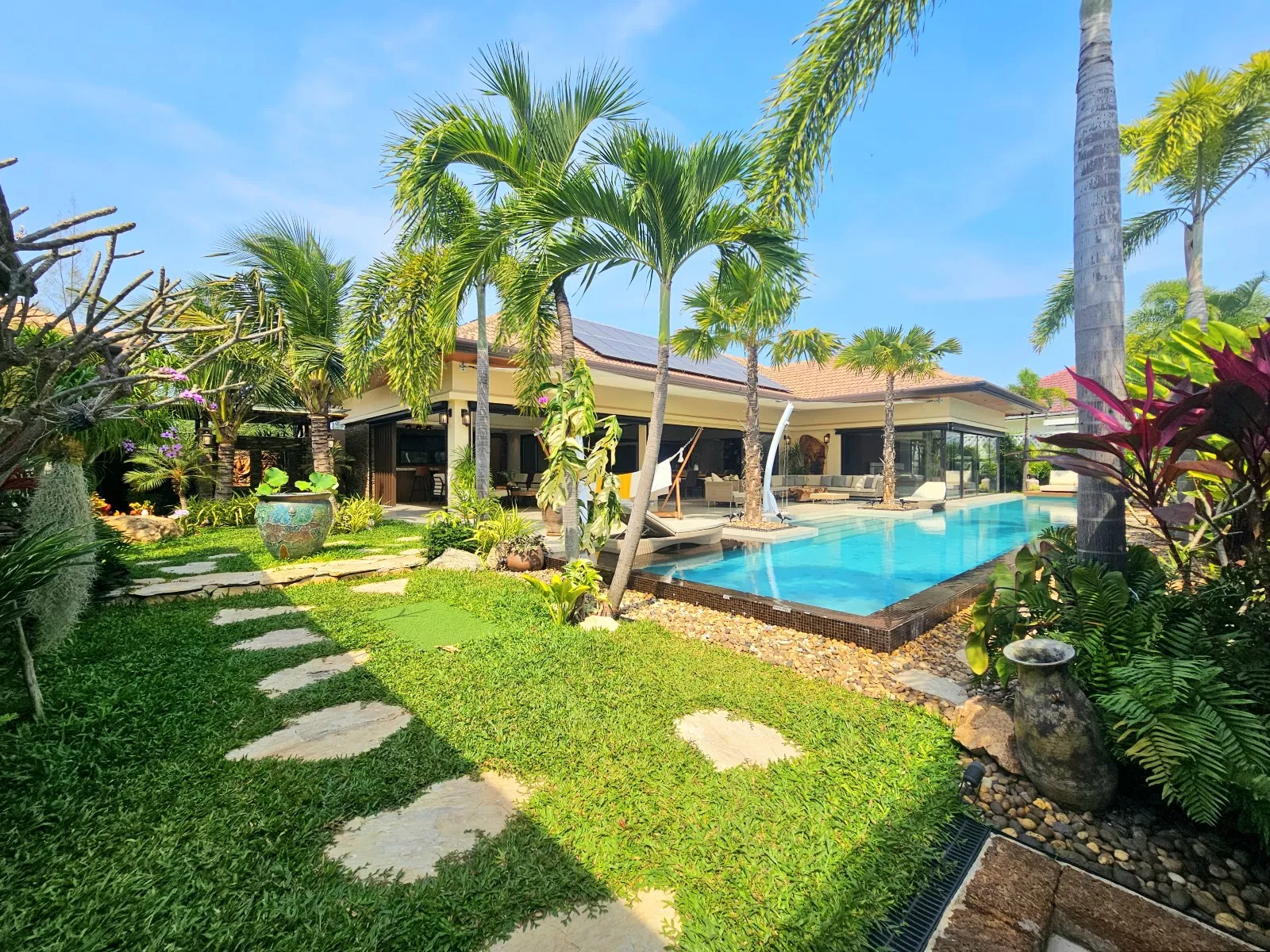
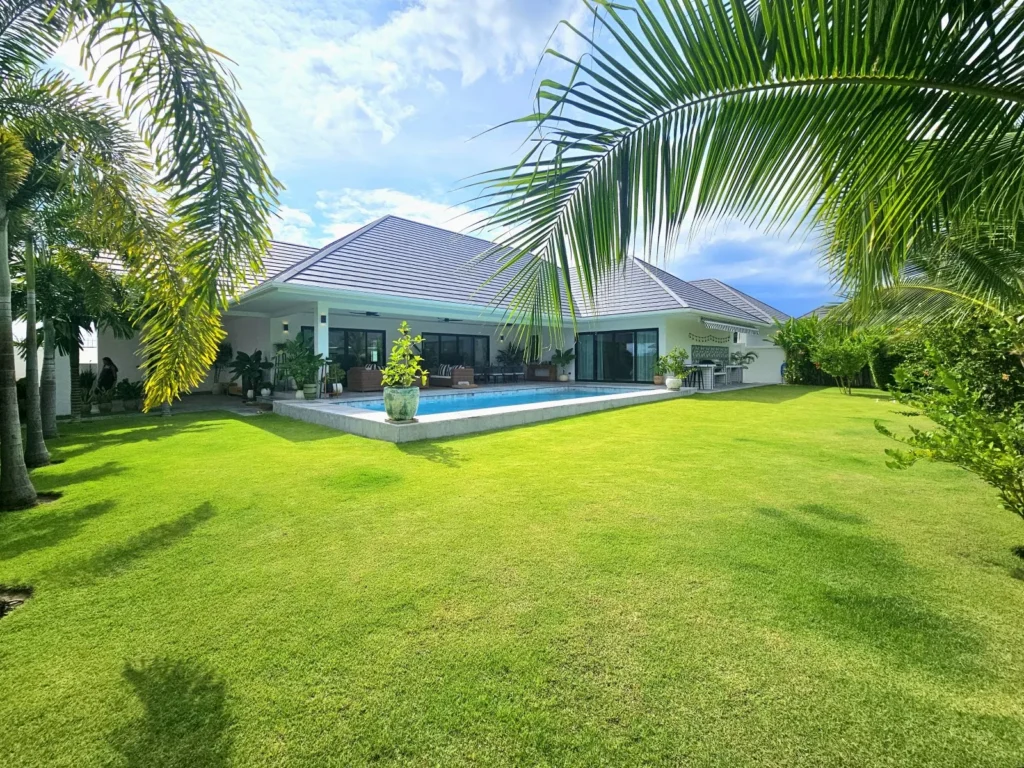
One of the most powerful strategies used when purchasing a villa in Hua Hin is separating the land from the building constructed upon it.
- Leasing the Land: The foreign buyer leases the land plot from the Thai owner or developer for 30 years.
- Owning the House (Freehold): Unlike land, foreigners can legally own physical buildings and structures built on the land 100% in their own name. By obtaining a official building permit in your name or executing a registered Sale of Structure Agreement at the Land Office, you own the villa outright as personal property, while holding a secure lease on the underlying land.
3. Renewal Clauses (30 + 30 + 30 Years)
Many developers advertise leasehold properties with "90-year leases" (structured as 30+30+30 years). It is vital to understand how these contractual agreements work under Thai law:
- The Initial 30 Years: This is the only term guaranteed and registered by the government at the Land Office.
- Contractual Extensions: The subsequent 30-year renewal options are contractual promises between the lessor (landowner) and the lessee (buyer). To ensure maximum protection for renewal terms, your contract must include well-drafted legal covenants requiring the landowner, their heirs, or assigns to sign the lease renewal at the Land Office upon expiration of the first term.
4. Selling and Exiting a Leasehold Investment
Leasehold property is not a rigid lock-in; it offers clear flexibility if you decide to sell your villa in the future:
- Transfer of Remaining Term: You can assign the remaining years of your registered lease to a new foreign buyer.
- Surrender and Fresh Lease: Often, the landowner agrees to cancel the existing lease and issue a brand-new 30-year registered lease to the incoming buyer.
- Conversion to Freehold: If your prospective buyer is a Thai national or a qualified Thai company, the land lease can be cancelled, allowing the property to be converted back into a 100% Thai Freehold ownership.
Working with an experienced agency like REMAX The Grace ensures that every leasehold contract undergoes strict due diligence, guaranteeing your long-term peace of mind in Hua Hin.